Cloud Based Application Development Guide for Enterprises 2026
Learn how Cloud Based Application Development helps enterprises scale faster, reduce IT costs, and innovate. A complete guide for CEOs and CTOs in 2026.
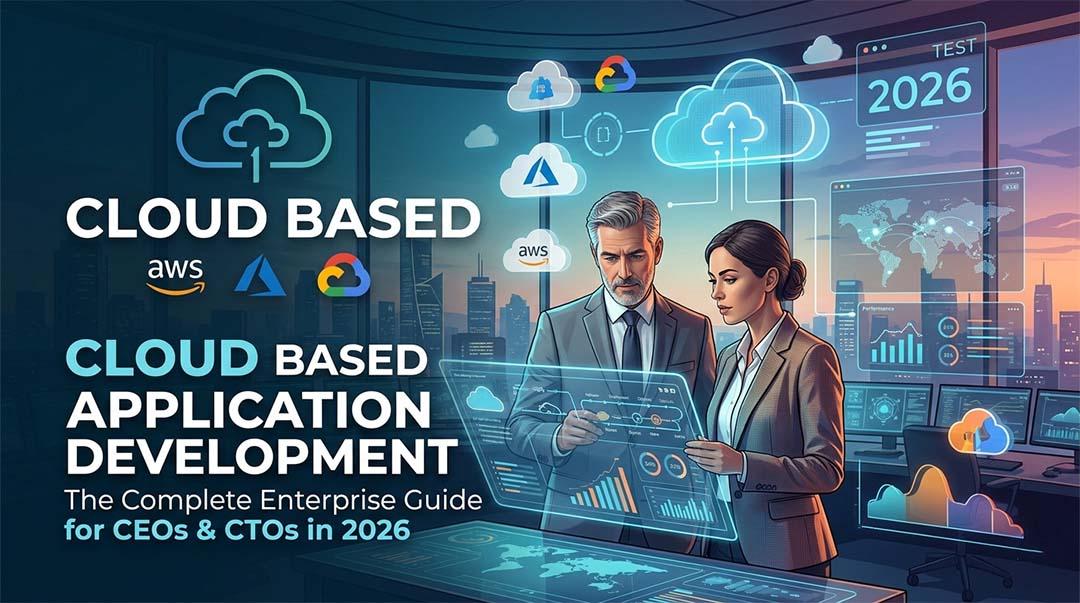
Modern businesses are under constant pressure to innovate faster, scale efficiently, and deliver seamless digital experiences. Traditional on-premise software often struggles to keep up with these demands. As a result, companies worldwide are investing heavily in Cloud Based Application Development to build scalable, secure, and future-ready software solutions.
From startups to global enterprises, organisations are moving their applications to the cloud to improve agility, reduce infrastructure costs, and accelerate digital transformation. For CEOs, CTOs, and technology leaders, cloud development is no longer just a technical decision. It is a strategic business move that directly impacts growth and competitiveness.
At Source Central, we work with enterprises to design and develop powerful cloud-based applications that support innovation, operational efficiency, and long-term scalability.
This guide explains everything business leaders need to know about Cloud Based Application Development, including benefits, architecture, cost considerations, and how to choose the right development partner.
What is Cloud Based Application Development?
Cloud Based Application Development is the process of designing, building, deploying, and managing software applications that run on cloud infrastructure instead of local servers.
These applications are hosted on platforms such as:
-
Amazon Web Services (AWS)
-
Microsoft Azure
-
Google Cloud Platform (GCP)
Instead of relying on physical hardware or traditional hosting, cloud applications leverage distributed computing resources that scale automatically based on demand.
Cloud-based applications can include:
-
Enterprise software systems
-
SaaS platforms
-
E-commerce applications
-
Customer portals
-
Data analytics platforms
-
AI-powered business tools
By adopting Cloud Based Application Development, companies gain access to highly scalable infrastructure, global availability, and advanced security features.
Why Cloud Based Application Development Matters for Enterprises
For CEOs and CTOs, cloud adoption is often driven by strategic priorities such as growth, cost efficiency, and innovation.
Here are some of the key reasons enterprises are investing in Cloud Based Application Development.
1. Scalability for Business Growth
One of the biggest advantages of cloud applications is the ability to scale instantly.
Traditional applications require additional hardware to handle increased demand. Cloud applications automatically allocate resources based on usage.
This means businesses can handle:
-
sudden traffic spikes
-
global user growth
-
seasonal demand changes
without infrastructure limitations.
2. Faster Product Development
Cloud platforms offer ready-to-use services that significantly accelerate development.
Developers can quickly build applications using services like:
-
serverless computing
-
container orchestration
-
AI and machine learning tools
-
cloud databases
This enables companies to launch products faster and stay ahead of competitors.
3. Reduced Infrastructure Costs
Maintaining physical servers requires significant investments in hardware, maintenance, and IT teams.
With Cloud Based Application Development, businesses only pay for the resources they use.
Benefits include:
-
no upfront hardware costs
-
lower operational expenses
-
automated infrastructure management
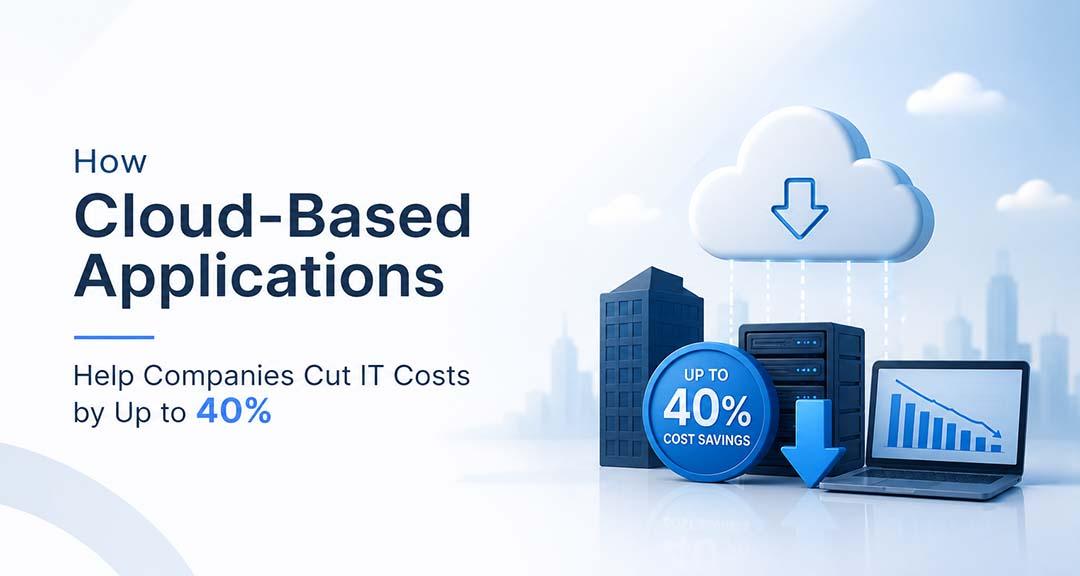
For many companies, this leads to 30–40% cost savings compared to traditional systems.
4. Global Accessibility
Cloud applications can be accessed from anywhere in the world through the internet.
This allows businesses to support:
-
remote teams
-
global customers
-
distributed operations
Cloud platforms also offer global data centres that ensure high availability and fast performance.
5. Improved Security and Compliance
Leading cloud providers invest billions of dollars in cybersecurity and compliance frameworks.
Cloud platforms offer features such as:
-
encryption
-
identity management
-
threat detection
-
automated backups
This makes Cloud Based Application Development one of the most secure approaches for enterprise software.
Types of Cloud Based Applications
Different types of cloud applications serve different business needs.
SaaS Applications
Software-as-a-Service applications are hosted in the cloud and accessed via web browsers.
Examples include:
-
CRM platforms
-
project management tools
-
HR systems
-
accounting software
Many enterprises build their own SaaS platforms using Cloud Based Application Development.
Cloud Native Applications
Cloud native applications are designed specifically for cloud environments.
They use modern technologies such as:
-
microservices architecture
-
containers
-
Kubernetes orchestration
-
serverless computing
Cloud native development ensures maximum scalability and resilience.
Enterprise Cloud Applications
Large organisations often build custom cloud applications for internal operations.
Examples include:
-
supply chain systems
-
data analytics platforms
-
enterprise resource planning systems
-
AI-driven automation tools
Custom Cloud Based Application Development helps enterprises optimise workflows and gain competitive advantages.
Cloud Architecture Models
Successful cloud applications rely on well-designed architecture.
Monolithic Architecture
In a monolithic architecture, all components of an application are built as a single unit.
While simple to develop initially, monolithic systems can become difficult to scale.
Microservices Architecture
Microservices architecture divides applications into smaller independent services.
Each service performs a specific function and can be updated independently.
Advantages include:
-
improved scalability
-
faster updates
-
better reliability
Many modern companies prefer microservices for Cloud Based Application Development.
Serverless Architecture
Serverless computing allows developers to run code without managing servers.
Cloud providers automatically handle infrastructure and scaling.
Benefits include:
-
reduced operational complexity
-
lower costs
-
faster deployment cycles
Serverless architecture is becoming increasingly popular for modern cloud applications.
The Cloud Application Development Process
Building a successful cloud application requires a structured development process.
Step 1: Business Requirement Analysis
The first step is understanding business goals and application requirements.
This includes:
-
defining target users
-
identifying business challenges
-
determining scalability requirements
A clear strategy ensures that the application aligns with business objectives.
Step 2: Cloud Architecture Design
The next step is designing the cloud architecture.
This includes selecting:
-
cloud platform (AWS, Azure, or Google Cloud)
-
databases
-
microservices framework
-
security architecture
A well-designed architecture ensures long-term scalability.
Step 3: Application Development
During development, engineers build application components using cloud technologies.
Key development practices include:
-
API development
-
containerisation
-
continuous integration
-
automated testing
Step 4: Deployment and Integration
Once the application is ready, it is deployed to the cloud environment.
Deployment typically involves:
-
CI/CD pipelines
-
container orchestration
-
automated infrastructure provisioning
Step 5: Monitoring and Optimisation
After deployment, the application must be continuously monitored.
Monitoring tools track:
-
system performance
-
user behaviour
-
infrastructure usage
This allows businesses to optimise performance and costs.
Cloud Platforms for Application Development
Choosing the right cloud platform is a critical decision.
Amazon Web Services (AWS)
AWS is the most widely used cloud platform.
It offers:
-
extensive infrastructure services
-
AI and machine learning tools
-
global scalability
AWS is ideal for large-scale enterprise applications.
Microsoft Azure
Azure integrates well with Microsoft enterprise ecosystems.
It is widely used by organisations running:
-
Windows servers
-
Microsoft 365
-
enterprise data platforms
Google Cloud Platform
Google Cloud is known for its strengths in:
-
data analytics
-
machine learning
-
AI-driven applications
It is popular among companies building advanced data platforms.
Cost of Cloud Based Application Development
The cost of Cloud Based Application Development depends on several factors.
Key cost drivers include:
-
application complexity
-
number of features
-
cloud infrastructure usage
-
development team size
Typical cost ranges:
Application Type
Estimated Cost
Startup Cloud App
$25,000 – $60,000
Mid-size Business Application
$60,000 – $150,000
Enterprise Cloud Platform
$150,000 – $500,000+
However, cloud applications often deliver significant ROI through improved efficiency and reduced infrastructure costs.
Challenges in Cloud Application Development
While cloud development offers many benefits, organisations must also address potential challenges.
Security Risks
Improper configuration can expose cloud systems to vulnerabilities.
Strong security practices are essential.
Cloud Cost Management
Without proper monitoring, cloud costs can increase quickly.
Cost optimisation strategies are necessary to control spending.
Vendor Lock-In
Relying heavily on a single cloud provider may create dependency.
Many companies adopt multi-cloud strategies to reduce risk.
How to Choose a Cloud Application Development Company
Selecting the right development partner is critical for project success.
Business leaders should consider the following factors.
Technical Expertise
Ensure the company has experience in:
-
AWS
-
Azure
-
Google Cloud
-
microservices architecture
Enterprise Development Experience
Look for teams that have built scalable enterprise applications.
Large systems require different expertise compared to small projects.
Security and Compliance Knowledge
The development team should understand:
-
data protection standards
-
industry compliance requirements
-
cloud security frameworks
Long-Term Support
Cloud applications require continuous monitoring and updates.
Choose a partner that provides ongoing support and optimisation.
Why Enterprises Choose Source Central for Cloud Based Application Development
At Source Central, we specialise in building enterprise-grade cloud applications that support digital transformation and innovation.
Our cloud development services include:
-
Custom cloud application development
-
SaaS platform development
-
Cloud migration and modernisation
-
Microservices architecture implementation
-
Cloud security and compliance
-
Performance optimisation and monitoring
Our engineering teams design scalable, high-performance applications using modern cloud technologies to help businesses grow faster.
The Future of Cloud Based Application Development
The next wave of cloud innovation is being driven by emerging technologies.
Key trends include:
AI Integrated Cloud Applications
AI-powered applications can automate workflows, analyse data, and deliver intelligent insights.
Multi-Cloud Strategies
Enterprises are increasingly using multiple cloud providers to improve resilience and flexibility.
Edge Computing
Edge computing processes data closer to users, reducing latency and improving performance.
Serverless Development
Serverless platforms will continue to simplify application development and reduce operational complexity.
Final Thoughts
For modern businesses, Cloud Based Application Development is more than a technology trend. It is the foundation of digital innovation.
Companies that adopt cloud-native architectures can:
-
launch products faster
-
scale globally
-
reduce operational costs
-
improve customer experiences
For CEOs and CTOs planning the next stage of digital transformation, investing in cloud application development is a strategic move that drives long-term business growth.
Start Your Cloud Application Journey with Source Central
If your organisation is planning to build or modernise cloud applications, the right technology partner can make all the difference.
Source Central helps enterprises design, develop, and scale powerful cloud-based applications tailored to their business goals.
Contact our cloud experts today to discuss your project and discover how cloud technology can accelerate your business growth.